
Homes For Sale California offers a comprehensive look at the current real estate market. From coastal mansions to cozy townhouses, we explore the diverse range of properties available, highlighting key trends and pricing insights. We’ll also delve into neighborhoods, features, and the home-buying process.
Discover the nuances of California’s real estate landscape, tailored to help you navigate the market and find your dream home. We cover everything from market overviews to detailed neighborhood breakdowns. Get ready to explore your California homeownership options.
California Real Estate Market Overview
The California real estate market is complex and dynamic, influenced by a multitude of factors. Current conditions show a shift from the frenzied pace of recent years, but the market remains competitive. Understanding the nuances of this market is crucial for both buyers and sellers.
Current State of the California Housing Market
The California housing market is currently experiencing a cooling trend. After several years of rapid price appreciation, growth has slowed, and inventory levels have increased. This moderation is a natural response to the combination of rising interest rates and a shift in buyer demand. This shift in market conditions is being observed across many regions.
Major Trends Affecting Home Prices and Sales Volumes
Several key trends are impacting home prices and sales volumes in California. Rising interest rates have made mortgages more expensive, reducing affordability and dampening demand. Increased inventory, a result of the market cooling, offers more choices for buyers, but can also put downward pressure on prices. The overall economic climate and consumer confidence play a role in the level of activity in the real estate market.
Regional Differences in Market Conditions
Market conditions vary significantly across California. Coastal areas, especially those with desirable views or proximity to amenities, typically experience higher prices and intense competition. Inland regions often present more affordable options, but market activity may differ depending on local economies and employment opportunities. The presence of significant job growth in certain inland regions can lead to higher demand and price appreciation.
Comparison with Previous Market Cycles
The current market cycle contrasts with previous cycles in terms of price appreciation and buyer demand. The previous period, marked by historically low interest rates and high demand, saw rapid price growth and a limited selection of available homes. The current cycle is characterized by more balanced supply and demand, resulting in a slower pace of price appreciation and a wider range of options.
Median Home Prices Across California Counties (2023 Estimates)
The table below provides estimates of median home prices across various property types and California counties. These figures are approximate and can fluctuate. Factors such as local market conditions and specific property features influence the actual price.
| County | Single-Family Home | Condo | Townhouse |
|---|---|---|---|
| Los Angeles | $1,000,000 | $600,000 | $750,000 |
| San Francisco | $1,500,000 | $800,000 | $900,000 |
| Orange | $900,000 | $550,000 | $650,000 |
| San Diego | $850,000 | $600,000 | $700,000 |
| Sacramento | $550,000 | $350,000 | $450,000 |
Types of Homes for Sale
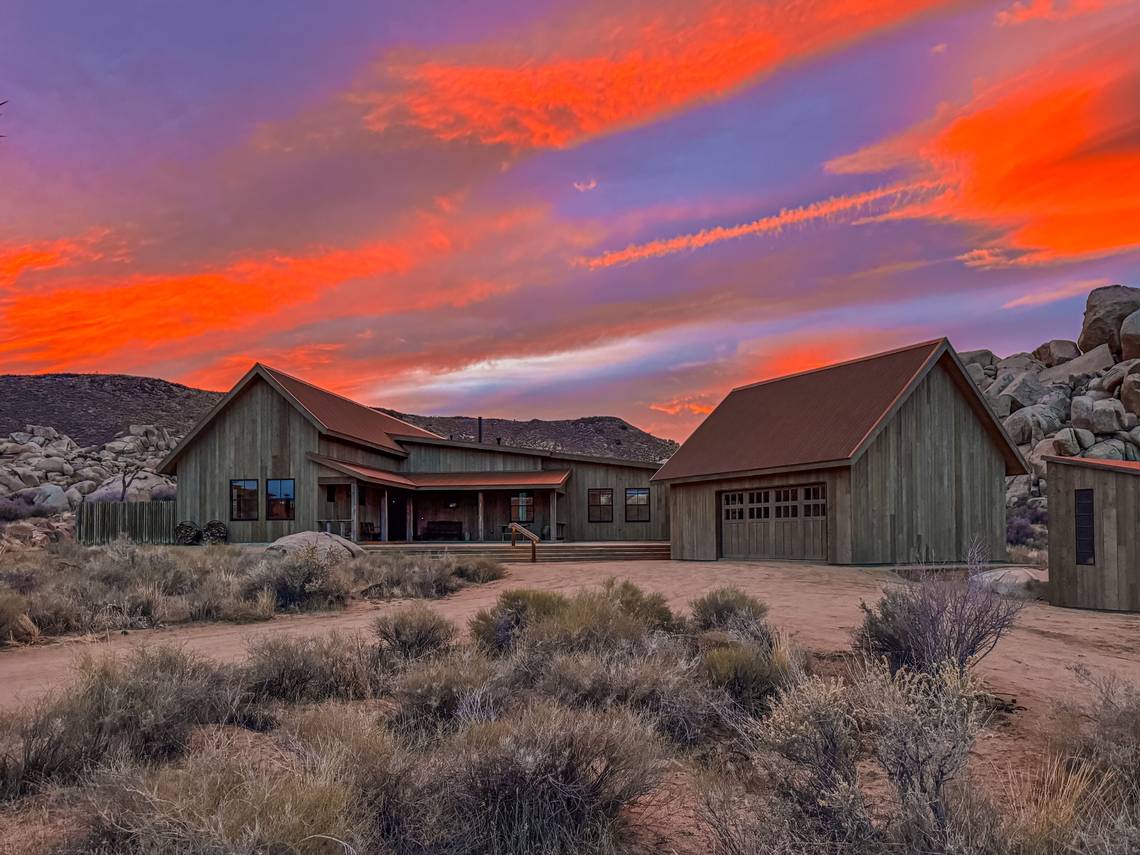
California’s diverse real estate market offers a wide array of homes, catering to various lifestyles and budgets. From cozy bungalows to sprawling estates, finding the perfect property often depends on understanding the different types available. This section explores the most common home types, their features, architectural styles, and price ranges across California.
California’s housing market boasts a mix of single-family homes, condominiums, townhouses, and multi-family units. Each type has unique characteristics that influence their desirability and price. Understanding these differences is key to navigating the market effectively.
Single-Family Homes
Single-family homes are the most common type of residential property in California. They offer the greatest degree of privacy and personal space. Their sizes and features vary greatly depending on the location and era of construction. Architectural styles are diverse, reflecting the state’s varied history and cultural influences.
- Many single-family homes are built in traditional styles, like Craftsman, Spanish Colonial Revival, or Mediterranean. These styles are often recognizable by their specific architectural elements, such as the use of stucco, tile roofs, or decorative details.
- Contemporary and modern styles are also prevalent, featuring clean lines, open floor plans, and an emphasis on natural light. These homes frequently incorporate sustainable materials and energy-efficient designs.
- Prices for single-family homes in California vary significantly based on location. Coastal areas, such as Malibu and San Diego, typically command higher prices than inland areas. For example, a modest single-family home in a desirable San Francisco suburb might range from $2 million to $5 million, while a similar home in a more affordable inland area could be closer to $500,000 to $1 million.
Condominiums
Condominiums are a popular choice for those seeking an alternative to single-family homes. They typically offer lower maintenance costs and potentially lower purchase prices, particularly in urban areas. Condominium living often includes amenities like swimming pools, gyms, and community spaces.
- Condominiums are usually located in high-density areas, making them a great option for those who want to be close to the city’s amenities. Their layouts and features are often more standardized than single-family homes.
- Amenities vary greatly. Some condominiums offer a wide range of facilities, while others provide basic amenities. Look for the availability of parking, visitor parking, or recreational facilities when evaluating a condominium.
- Prices for condominiums in California vary based on location, size, and amenities. In popular urban areas, a two-bedroom condo can cost anywhere from $500,000 to $1 million or more. In more suburban areas, prices may be more affordable.
Townhouses
Townhouses blend the privacy of a single-family home with the shared living aspects of a condominium. They often feature private yards or patios, while also offering the convenience of shared amenities, such as community pools or laundry facilities.
- Townhouses typically come in various sizes and layouts, ranging from compact units to larger, more spacious homes.
- Townhouse features may include attached garages, private balconies, or direct access to community spaces.
- Townhouse prices in California often fall between single-family homes and condominiums. In desirable areas, prices can range from $700,000 to $2 million or more, while less desirable locations may be more affordable.
Multi-Family Homes
Multi-family homes include apartments, duplexes, and triplexes. These types of properties can be appealing to investors or individuals seeking rental income. The number of units and the level of shared amenities will affect the price.
- Multi-family homes often involve shared facilities, such as laundry rooms or parking areas.
- Rental income is a key factor for investors in this category.
- Prices for multi-family homes in California depend on the number of units, location, and condition. In areas with high demand, a duplex could range from $1 million to $3 million or more.
Comparison Table
| Property Type | Size | Features | Amenities |
|---|---|---|---|
| Single-Family Home | Varied, typically larger | Usually private yards, garages, multiple bedrooms | Potentially private pools, yards, and parking |
| Condominium | Typically smaller | Often includes common areas and shared amenities | May include pools, gyms, laundry facilities |
| Townhouse | Mid-range size | Combination of single-family and condominium features | Potentially shared amenities like pools, laundry |
| Multi-Family | Ranging from 2 units to more | Multiple units, potential for rental income | Shared amenities depending on the property |
Pricing and Value Analysis: Homes For Sale California
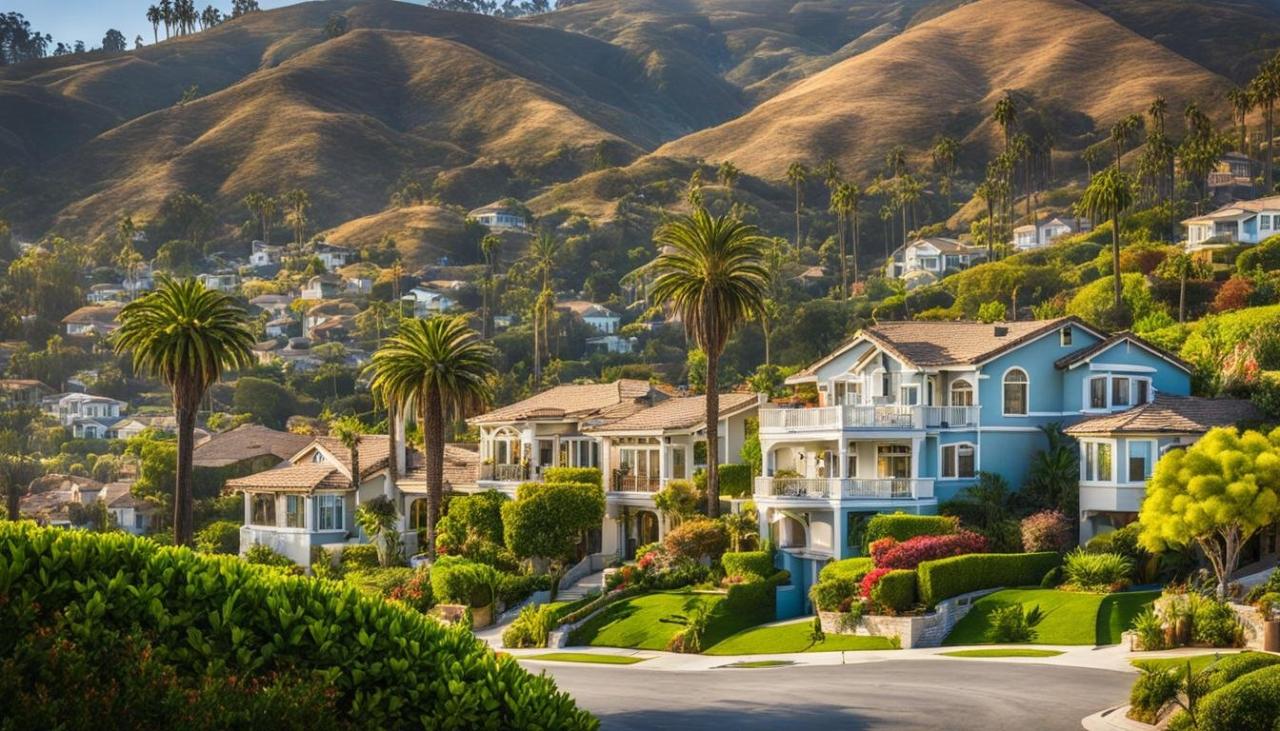
California’s housing market is notoriously complex, influenced by a confluence of factors. Understanding these factors is crucial for anyone looking to buy, sell, or invest in California real estate. Pricing decisions are rarely simple, requiring careful consideration of many variables.
Home values in California are shaped by a multitude of forces, from location and size to economic conditions and market trends. Analyzing these factors is key to making informed decisions. This section delves into the intricate world of pricing and value assessments, providing insights into what influences California’s diverse property values.
Factors Influencing Home Prices
California’s home prices are a reflection of numerous intertwined factors. Location, often the most significant element, is directly correlated to desirability and amenities. Proximity to desirable schools, employment centers, parks, and transportation routes all play a pivotal role. Furthermore, the size and condition of a property are also influential. Larger homes, newer constructions, and well-maintained properties typically command higher prices. Finally, the state’s overall economic climate significantly impacts housing valuations. Periods of economic prosperity often lead to increased demand and higher prices, while downturns can cause a cooling effect.
Location, Size, and Condition’s Impact on Value
Location, size, and condition are the primary determinants of a home’s value. A prime location, close to desirable amenities and with easy access to transportation, is generally more valuable. Size is a significant factor; larger homes often command higher prices, reflecting increased living space and potential for multiple uses. A property’s condition is equally critical. Modern upgrades, recent renovations, and well-maintained structures usually yield a higher market value. A property in need of substantial repairs or lacking key modern amenities will typically have a lower price point.
Impact of Recent Economic Conditions
Recent economic conditions have undeniably impacted California’s housing market. Inflation, interest rate fluctuations, and shifts in the overall economic climate have all had a noticeable influence. For example, rising interest rates often make mortgages more expensive, reducing the affordability of homes and potentially leading to a decrease in demand. Conversely, periods of economic growth can drive up demand and push prices upward.
Home Size vs. Price Correlation
The correlation between home size and price in California is complex but generally follows a trend. Larger homes tend to have higher prices, but the relationship isn’t always linear. Factors like location, condition, and market fluctuations also significantly influence the final price.
| Home Size (sq ft) | Estimated Average Price (USD) | Location | Condition |
|---|---|---|---|
| 1,000 | $800,000 | San Francisco Bay Area | Average |
| 1,500 | $1,200,000 | Los Angeles County | Good |
| 2,000 | $1,600,000 | San Diego County | Excellent |
| 2,500 | $2,000,000 | Orange County | Luxury |
This table provides a general illustration; precise figures vary considerably based on specific locations and conditions.
Common Appraisal Methodologies
Several appraisal methodologies are employed for California properties. One common method is the sales comparison approach, which analyzes recently sold comparable properties to estimate the value of the subject property. Appraisers also use the cost approach, estimating the cost of replacing or reconstructing the property, factoring in land value and depreciation. The income approach is utilized for income-generating properties, evaluating the property’s potential rental income. These methods, when combined, provide a comprehensive valuation of California properties.
Neighborhood and Location Insights
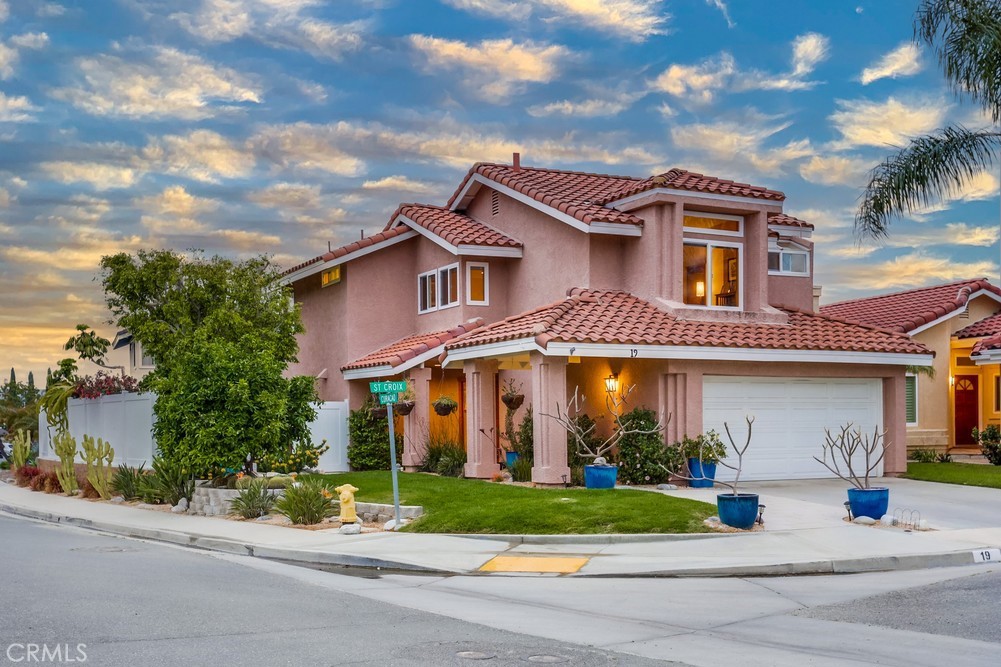
California’s diverse neighborhoods offer a wide array of lifestyles, from bustling city centers to serene coastal towns. Understanding the nuances of each location is crucial for homebuyers, as factors like proximity to amenities, transportation, and local culture significantly impact a home’s value and livability. This section explores the most desirable neighborhoods in California, highlighting their key features and potential drawbacks.
Understanding a neighborhood’s character, beyond its amenities, is vital. Factors like community spirit, local events, and the overall vibe of a neighborhood can significantly affect a resident’s quality of life. This section provides a balanced view of each location, covering both the advantages and potential downsides.
Top 10 Desirable Neighborhoods in California
This table presents a snapshot of ten of California’s most sought-after neighborhoods, considering factors like desirability, amenities, and accessibility. It’s important to remember that “desirability” is subjective and varies depending on individual preferences.
| Neighborhood | Key Features/Benefits | Potential Drawbacks | Accessibility (Transportation/Amenities) |
|---|---|---|---|
| Pacific Heights, San Francisco | Stunning views, upscale shopping, excellent schools, walkable to attractions | High housing costs, potential traffic congestion, limited parking | Excellent public transportation, close proximity to museums, theaters, and dining. |
| Montecito, Santa Barbara | Coastal beauty, luxurious homes, exclusive shopping, world-class dining | High property taxes, limited public transportation, can feel isolated | Limited public transportation, but excellent access to hiking trails and beaches. |
| Pasadena, Los Angeles | Charming Victorian architecture, vibrant cultural scene, excellent restaurants and shopping, proximity to the mountains | High cost of living, potentially long commutes, traffic congestion | Moderate public transportation options, but excellent access to parks and hiking trails. |
| Bel Air, Los Angeles | Prestigious address, exclusive amenities, privacy, proximity to entertainment | High cost of living, potential for exclusivity, limited public transportation | Limited public transportation, but close to many luxury shopping and dining options. |
| Marin County (e.g., Mill Valley) | Natural beauty, proximity to San Francisco, upscale living, excellent schools | High housing costs, potential for traffic congestion, limited space in some areas | Limited public transportation, but good access to hiking and scenic drives. |
| San Diego’s La Jolla | Stunning coastline, upscale shops and restaurants, vibrant community | High cost of living, limited public transportation, parking can be challenging | Limited public transportation, but close to beaches, parks, and hiking trails. |
| Beverly Hills, Los Angeles | World-renowned shopping, high-end dining, celebrity culture, luxury homes | High cost of living, potential for traffic congestion, limited public transportation | Limited public transportation, but easy access to high-end shopping and dining. |
| Malibu, Los Angeles | Stunning beaches, celebrity homes, proximity to nature, world-class dining | High cost of living, limited public transportation, potential for traffic congestion | Limited public transportation, but excellent access to beaches and hiking trails. |
| Downtown San Jose | Upscale living, cultural attractions, job opportunities, excellent restaurants | Potential for high crime rates in certain areas, limited parking in some areas | Good public transportation, close to cultural attractions, parks, and shopping. |
| Santa Monica, Los Angeles | Beautiful beaches, vibrant atmosphere, upscale dining and shopping, proximity to the city | High cost of living, potential traffic congestion, limited parking in certain areas | Good public transportation, close to beaches, parks, and cultural attractions. |
Neighborhood Amenities and Transportation
Many desirable neighborhoods in California offer excellent access to amenities and transportation options. For example, neighborhoods like Pacific Heights in San Francisco boast a robust public transportation system, making it convenient to explore the city’s diverse offerings. However, neighborhoods like Montecito in Santa Barbara might have limited public transportation, but excellent access to hiking and outdoor activities. It’s crucial to assess individual needs and preferences when evaluating transportation and amenities in each location.
Home Features and Amenities
California homes boast a wide array of features, reflecting the diverse tastes and needs of potential buyers. From modern kitchens and spacious backyards to luxurious pools and spas, these features significantly impact a home’s appeal and value. Understanding these elements is crucial for navigating the California real estate market effectively.
The desirability of specific features often hinges on the buyer’s priorities. A family with young children might value a large backyard for outdoor play, while a single professional might prioritize a modern kitchen and energy-efficient appliances. Understanding these preferences is key to evaluating a property’s potential appeal to various target markets.
Common Home Features
California homes frequently feature modern kitchens, which are often a top priority for many buyers. These kitchens typically include granite countertops, stainless steel appliances, and ample cabinet space. Other common features include hardwood floors, energy-efficient windows, and spacious bedrooms. These details contribute to the overall aesthetic appeal and practicality of the home.
Importance of Specific Features to Buyers
The value buyers place on specific features varies considerably. For example, a swimming pool can significantly increase a home’s appeal, particularly in areas with warm climates. A well-maintained garden or landscaping can add curb appeal and enhance the home’s overall value. Features like fireplaces or dedicated home offices can also be highly desirable depending on the buyer’s lifestyle.
Availability of Amenities
Swimming pools, spas, and gardens are common amenities found in California homes, particularly in higher-priced properties. The availability of these features varies considerably across different neighborhoods and price ranges. Luxury homes frequently include expansive swimming pools, elaborate landscaping, and state-of-the-art spas. The presence of such amenities can significantly impact the overall value proposition.
Comparison of Home Features Across Price Ranges
| Feature | Budget-Friendly Homes | Mid-Range Homes | Luxury Homes |
|---|---|---|---|
| Kitchens | Basic appliances, laminate countertops | Stainless steel appliances, granite countertops | Custom cabinetry, top-of-the-line appliances, high-end countertops |
| Bathrooms | Standard fixtures | Updated fixtures, tiled showers | Custom vanities, heated floors, soaking tubs |
| Outdoor Spaces | Small yards, patios | Backyards, covered patios | Landscaped yards, pools, spas, outdoor kitchens |
| Energy Efficiency | Basic insulation | Energy-efficient windows and doors | Smart home technology, solar panels |
The table illustrates how the quality and extent of features increase with price. Buyers in the luxury market expect more elaborate amenities, whereas those in the budget-friendly range often prioritize basic functionality.
Impact of Home Features on Perceived Value
The presence of desirable features significantly impacts a property’s perceived value. A home with a modern kitchen, updated bathrooms, and a large backyard will likely command a higher price than a similar home lacking these features. The perceived value is also influenced by the condition and upkeep of these features, reflecting the home’s overall desirability and potential. Buyers are often willing to pay a premium for homes with high-quality, well-maintained features. For example, a home with a professionally landscaped yard and a sparkling pool is likely to be more attractive and thus more valuable.
Visual Representation of California Homes
California’s diverse housing styles reflect its varied landscapes and architectural influences. From the sun-drenched coastal homes to the expansive ranch properties of the central valley, each type tells a story of the region’s history and lifestyle. Understanding these styles allows a deeper appreciation for the unique characteristics of California real estate.
Modern Californian Single-Family Home, Homes For Sale California
Modern Californian single-family homes typically feature clean lines, open floor plans, and an emphasis on natural light. Large windows are common, maximizing views of the surrounding landscape. Materials like glass, steel, and concrete are frequently used, often in a minimalist aesthetic. The homes are often designed for indoor-outdoor living, with patios and decks seamlessly integrated into the living spaces. They often boast high ceilings and expansive rooms to create a sense of spaciousness and airy ambiance. The design prioritizes functionality and efficiency.
Traditional Californian Coastal House
These homes often display a relaxed and inviting atmosphere, reflecting the region’s coastal charm. They frequently feature stucco exteriors, often with a light beige or cream color. Roofs are commonly pitched, with tile or composite materials. Large windows, offering ocean views, are a defining characteristic. Decks and porches are common, providing outdoor spaces for enjoying the fresh sea air and sunshine. Often, these homes incorporate decorative elements like wrought iron railings, or craftsman-style details, like wood beams, creating a warm and inviting atmosphere. The materials and design elements reflect a timeless appeal.
Contemporary Californian Townhouse with Swimming Pool
Contemporary Californian townhouses, particularly those with pools, prioritize modern design and efficient living. These townhouses often feature sleek, contemporary architecture, using materials like concrete, glass, and metal. They frequently have open floor plans, integrating the indoor and outdoor living spaces. A notable feature is the inclusion of a swimming pool, which often has a modern design, potentially integrated into the landscape. These properties are usually designed with an emphasis on functionality and outdoor entertainment, offering residents both privacy and communal access. The swimming pool is a significant amenity, contributing to the overall lifestyle.
Ranch-Style Californian Home in the Central Valley
Ranch-style homes in California’s central valley are known for their spaciousness and simplicity. They often feature a low-profile design with a flat or gently sloping roof. Exterior materials often include stucco or wood siding. Large yards are common, providing ample space for outdoor activities and gardens. The design reflects the region’s agricultural heritage and the need for wide open spaces. These homes prioritize functionality and practicality, reflecting the area’s agricultural and family-oriented lifestyle. They often boast a straightforward design.
Common Materials and Construction Methods
- Stucco: A popular exterior finish, stucco is a mixture of cement, lime, and aggregates, offering a smooth, durable, and cost-effective surface. It is widely used in various California housing styles, including coastal and traditional homes.
- Wood: Used extensively in both traditional and contemporary designs, wood siding and beams add warmth and character to many Californian homes. Wood framing is also a standard construction method.
- Concrete: A strong and versatile material, concrete is used in foundations, walls, and flooring in various California housing styles, including modern and contemporary designs. It offers a clean and durable aesthetic.
- Glass: Modern Californian homes often utilize large expanses of glass, allowing for natural light and stunning views. Glass doors and windows are key elements in creating a seamless indoor-outdoor connection.
- Tile Roofing: Tile roofing is frequently used in traditional coastal homes and in areas with high rainfall to provide long-lasting protection and a visually appealing aesthetic.
FAQs
What are the most common architectural styles in California?
California boasts a variety of architectural styles, including Spanish Colonial Revival, Craftsman, Modern, and Mediterranean. Each style offers unique features and appeal to different tastes.
How do I find qualified real estate agents?
You can find qualified agents through online real estate platforms, referrals from friends and family, or by contacting local real estate associations.
What factors influence home prices in California?
Location, size, condition, and recent economic trends all impact home prices in California. Luxury homes often command higher prices in desirable areas.
What are the typical closing costs in California?
Closing costs in California can vary, but generally include appraisal fees, title insurance, transfer taxes, and loan origination fees.